Travel Adventures - Your gateway to thousands of travel pictures from all over the world

Syria

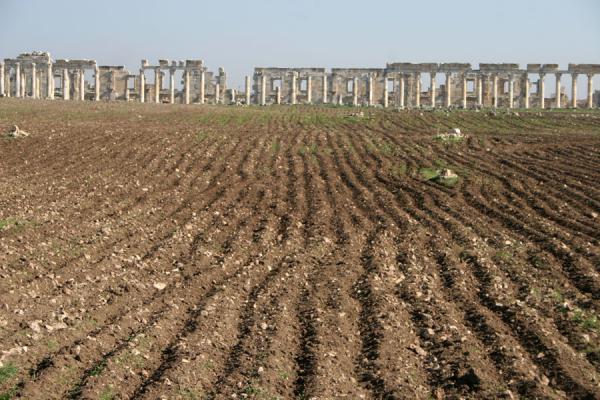
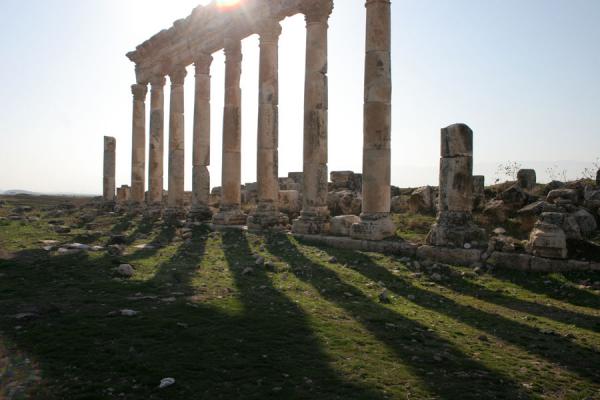
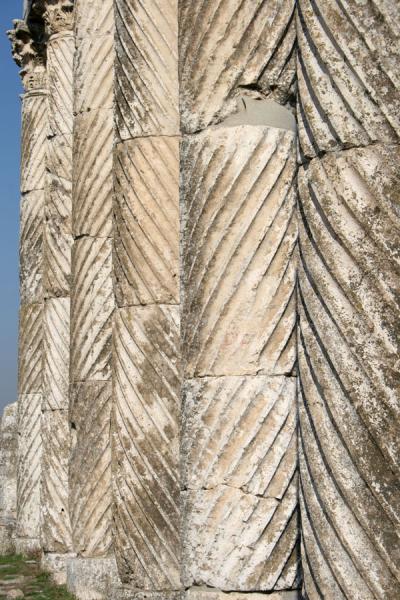
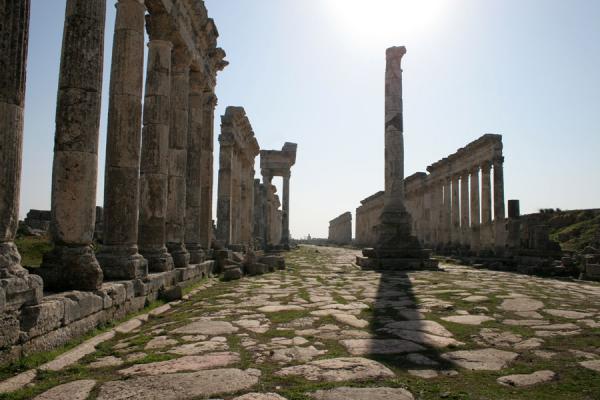
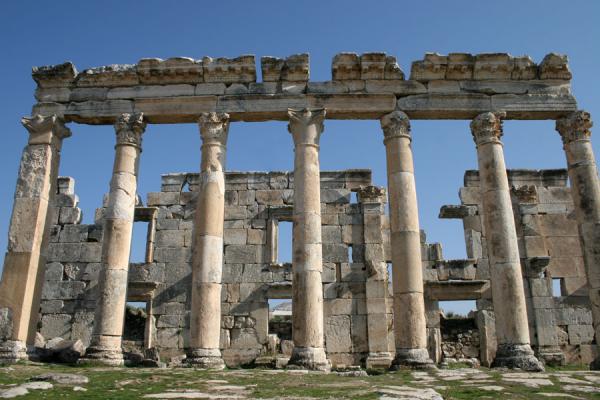
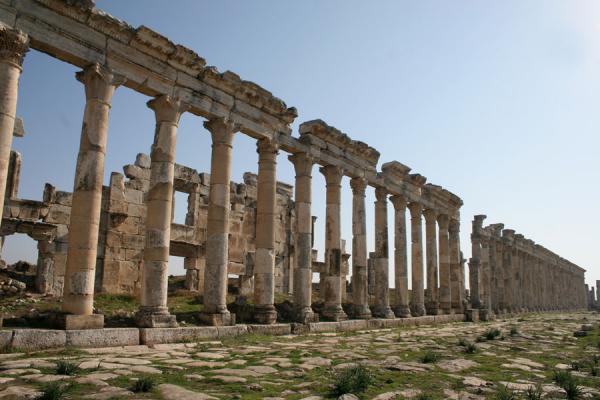
This picture shows Standing columns of Apamea blending in with the landscape. It was taken on a travel to Apamea, Syria, Asia. It is one of the 6595 of travel photographs you can find on Traveladventures.org. You can click on the picture to see more pictures of Apamea. You can also send it as a free electronic postcard or download it for free, by following the links under the picture. Alternatively, you can follow the tags under the picture to find other travel pictures of a particular theme, or switch to another language. Enjoy your travel with pictures from all over the world!

Show on map

Locate Apamea on map

Other languages:

  • Bekijk deze pagina in het Nederlands |
  • Voir cette page en Français |
  • Vedere questa pagina in Italiano |
  • Ver esta página en Español |
  • 中文

Categories

Around the World in 80 Clicks - Thousands of pictures from around the world with free e-cards and downloads, travel advice, and much more

Picture of Standing columns of Apamea blending in with the landscape (Apamea, Syria)

Photograph of Standing columns of Apamea blending in with the landscape - Syria - Asia

Some of the many standing columns of Apamea

Send image of Standing columns of Apamea blending in with the landscape as a free postcard
Download picture of Standing columns of Apamea blending in with the landscape
Purchase Standing columns of Apamea blending in with the landscape (Syria)

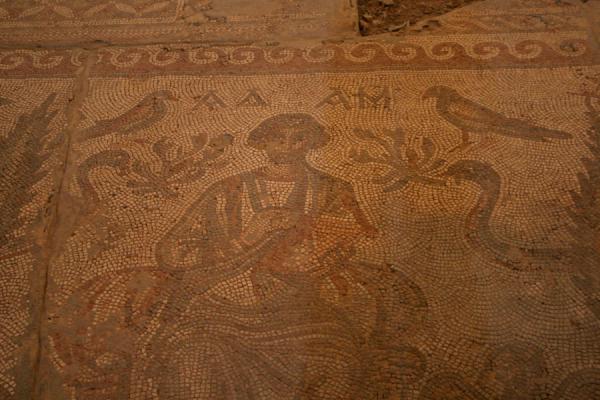
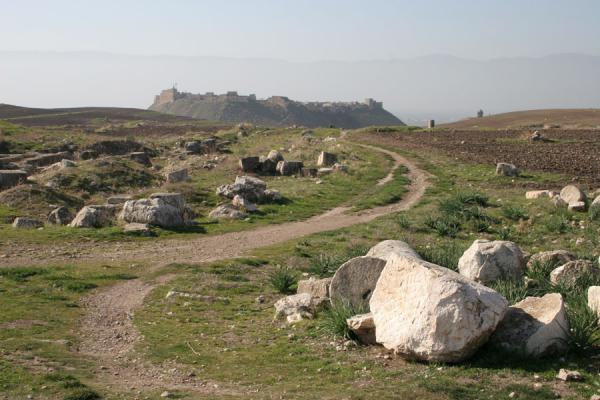
After Palmyra, probably the most impressive ruins to be found in Syria, Apamea boasts a great location and has some surprises to be found.
Apamea, or Afamia as the Syrians call it, was founded in the 3rd century BCE, by Seleucus I, former general in the army of Alexander the Great. Named after his Persian wife Afamia, Apamea achieved importance as a trading post and was famous for its many horses, stables, and even elephants who were used in warfare. Even now, the area around Apamea is clearly fertile and pleasant to live in. Whatever can be seen now are the remains of the rebuilt city that reached its best days in the 2nd century CE. It continued to be prosperous until the 6th century, and after it fell to the Mamluks, the city declined further.
Read more about: Apamea

Tags for this picture:
Bekijk deze pagina in het Nederlands | Voir cette page en Français | Vedere questa pagina in Italiano | Ver esta página en Español | 中文